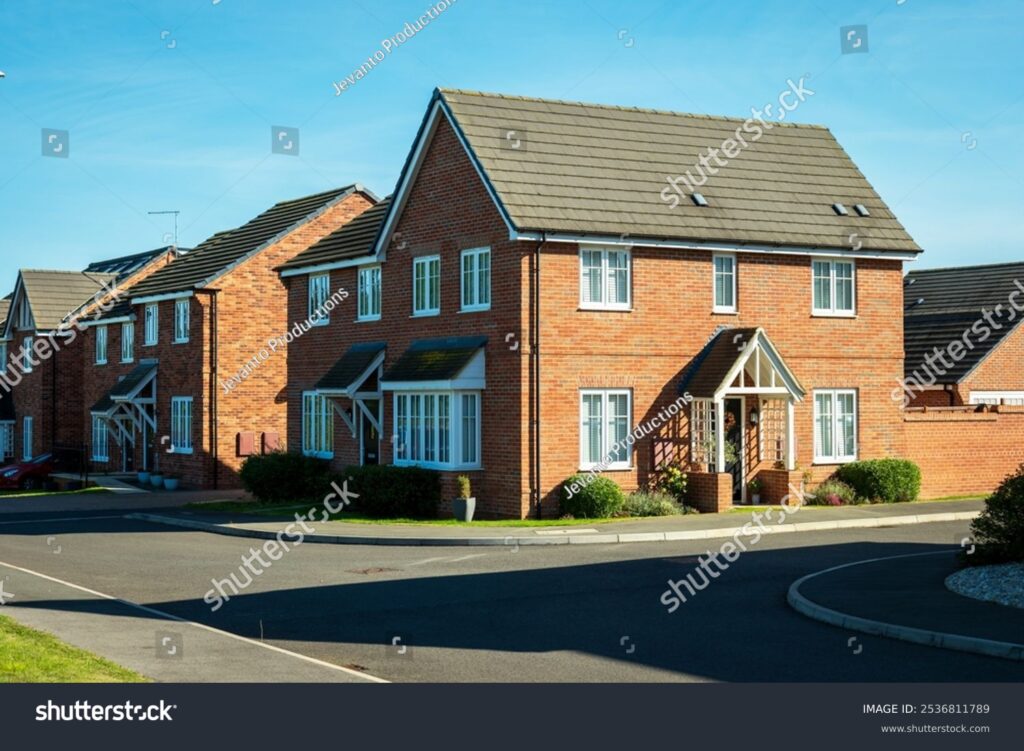
Residential
Our residential department will guide you through buying and selling properties along with multiple other transactions, i.e. staircasing, remortgages, transfer or equities, and lease extensions. Once you have found the property you would like to purchase via the estate agent, you can make an offer and start the legal process. If you are looking to sell your property, you will need to list your home with the estate agents and once you have found a buyer we can start your legal process.
Once you have found the property you wish to purchase, you will need to pay your reservation fee to the developer. You then instruct New Homes Law to act on your behalf. To review our fee schedule, please click here.
New Homes Law Residential Purchase Steps
Step 1
Liaise with a mortgage broker to get an agreement in principle
Step 2
Appoint a conveyancer
Step 3
Apply for a mortgage (if needed) with a mortgage broker
Step 4
Estate agent will issue a memorandum sale
Step 5
Sellers Conveyancers issue contract papers
Step 6
Your conveyancer raises any necessary legal enquiries
Step 7
Sellers’ conveyancer responds to our enquiries
Step 8
Mortgage offer issued
Step 9
Completion dates are discussed, and the exchange of contracts takes place
Step 10
Completion takes place and keys handed over.
Buying
Buying a home can be one of the most important purchases you will make. Looking for properties is the fun part, but when you start going through the process of purchasing a property, everything can become a but daunting and overwhelming. At New Homes Law, we aim to make this process as simple and straightforward as possible, by supporting you through the process.
The average transaction can take between 12 – 16 weeks, however, this timeframe can be shorter or longer depending on several different factors.
When buying a residential property, you will usually find that the seller is buying another property too, this is known as a chain, a number of buyers and sellers buying and selling simultaneously. Everyone in a chain needs to exchange and complete at the same time. This can mean that your transaction may take longer than the expected 12-16 weeks as each party could be working to a different timescale. The chain must remain, if someone withdraws the chain can collapse and have to start again. Therefore it is always advisable to discuss with your Estate Agent if you have a specific timetable to work to.
If you would like a purchase quote, please click here.
Purchasing a Leasehold Property
If you are purchasing a leasehold property, there are some additional pieces of information to be collated prior to an exchange taking place. It is important that you inform us if you are, or think you are, purchasing a leasehold property. We will need to get a Management Pack from the Management Company and Landlord, through your seller’s conveyancer.
- The management pack will include.
- Any future planned works
- Their accounts for the past three years
- Buildings insurance
- How the property/building is managed
- Fire risk assessment
Steps after your offer is accepted
Your offer has been accepted on a property, so you will now need to choose a conveyancer to deal with the sale on your behalf and arrange a mortgage (if needed).
Following the Estate Agents’ negotiations with the Seller, you will have agreed terms for buying the property. You will need to speak with your Mortgage Broker and arrange a mortgage (if required) and instruct a conveyancer to act for you. We will receive a draft contract from the seller’s conveyancer, confirming the price agreed, what fixtures and fittings will be included and a legal pack with detailed information about the property.
If needed, your mortgage offer needs to have been issued before the exchange of contracts, so do not delay in sorting out a mortgage.
Exchange and Completion
The next step is to exchange contracts which means you are legally committed to purchase the property, and the seller is legally committed to sell the property to you. If you change your mind after this point, you could incur additional costs.
Completion refers to the final stage of the transaction when the property changes ownership, you pay for the property and receive the keys. Your completion date will take place on a previously agreed date. As your conveyancer, we would deal with this whole process, and register the transfer of ownership with the Land Registry.
New Homes Law Residential Sale Steps
Step 1
Choose an estate agent to sell your property
Step 2
Accept an offer on your house
Step 3
Appoint a conveyancer
Step 4
The estate agent issues a memorandum of sale to the seller and buyers conveyancers
Step 5
Contracts are issued by the seller’s conveyancer
Step 6
Buyers’ conveyancer raises and enquiries
Step 7
Sellers’ conveyancers respond to enquiries
Step 8
Mortgage offer issued to buyers’ conveyancers
Step 9
Completion dates agreed and authority to exchange requested
Step 10
Completion
Selling
When the time comes to move home and sell your property, it can be helpful to know what you can expect to happen. Selling your own property can often be confusing. If you are also purchasing a property, it will happen at the same time.
Selling your own property starts with getting the property valued and listed with an estate agent to advertise its sale. Once you have accepted an offer on your home, you will appoint a conveyancer to represent you throughout the process. Your conveyancer will issue the contract to your purchaser and take you through the exchange and completion process.
Selling your Home
You will need to decide who you want to sell your home to. Whether you will do it yourself, use a local or online estate agent.
You also have the option of whether you will have a sole agent selling your property or multiple agents. We recommend that you do your own research to compare the options available to you and be ready to negotiate a good fee with any estate agent you use.
Next comes the decision of deciding how much to sell your property for. Research your local market to get an idea of similar property prices and get a number of estate agents to carry out valuations. Purchases will quite often try negotiating a discount.
If you are selling a leasehold property, you will need to obtain a management pack.
Offer accepted
Now that you have agreed to sell your property, you will need to instruct a conveyancer to handle the legal work to transfer ownership of the property.
Exchange and completion
Once the legal contracts have been agreed and all enquiries have been dealt with, the next step is to exchange contracts, which means you are legally committed to sell the property. The purchaser is also legally committed to buy it from you too. If you change your mind after this point, you could incur additional costs.
Completion refers to the final stage of the purchasing process when the property changes ownership, you accept payment and handover the keys. Your completion date will take place on a previously agreed date. As your conveyancer, we will deal with this whole process.
Stamp Duty Land Tax (SDLT)
You must pay Stamp Duty Land Tax (SDLT) if you buy a property or land over a certain price in England and Northern Ireland. The tax is different if the property or land is in Scotland or Wales. Please refer to the government website for guidance on the same, as this is always subject to change: – www.gov.uk/stamp-duty-land-tax
You pay Stamp duty when purchasing a freehold property, a new or existing leasehold, a shared ownership property, a transfer of property in exchange for a payment. If your stamp duty is for nil consideration, a stamp duty return form must still be submitted to the HMRC. If you would like to calculate what your stamp duty will be, please refer to the following: – Stamp Duty Land Tax: Residential property rates – GOV.UK